With the rapid evolution of business models and the increasing reliance of organizations on digital systems, 3D technology has become one of the most important pillars upon which modern management is based.
It is no longer just a choice, but has become a strategic direction that gives institutions a greater ability to compete, reduce costs, and accelerate operational processes.
This article explores in depth the concept of three-factor architecture, how it works, and its actual impact on administrative structures, linking it to practical application models such as the DOC Suite system.HR, which embodies one of the most powerful applications of triple technology in the human resources sector.
What is the three-stage technique and why has it become the cornerstone of modern management?
The Tripartite Technology represents an advanced technological model that relies on integrating three essential elements into one system: integrated automation, artificial intelligence, and cybersecurity.
This integration provides organizations with the ability to execute their operations with speed and accuracy that exceeds traditional human capabilities, in addition to providing an analytical perspective that helps in making informed decisions in a shorter time.
The strength of this concept lies in its ability to address existing challenges such as data overload, slow paperwork, multiple human errors, and the dispersal of information systems across multiple platforms.
Recent studies indicate that organizations that have implemented technology models based on the triad (artificial intelligence + automation + cybersecurity) have been able to reduce the duration of administrative procedures by 45% to 65% in just one year, a figure that reflects the impact of the triad technology on organizational performance.
This model also helps reduce operating costs, improve the quality of internal communication between departments of the organization, and enhance the ability to predict problems before they occur. Thanks to the integration of the three axes, the work environment is transformed into a system based on clarity, speed, and security, which leads to raising the level of performance and bringing about a radical transformation in the way of management.
The three components of the technology: How do the three elements work in one system?
The three-part technology is based on three main elements, each of which works within the system in an interconnected manner, making it an integrated system and not just separate tools.
Key components of the three-stage technology:
Automation ((Automation)Accelerating routine tasks and avoiding the accumulation of errors resulting from manual interventions.
artificial intelligence (AI)Analyzing data, predicting scenarios, and providing well-informed recommendations based on usage patterns.
Cybersecurity (CybersecurityProtecting sensitive records and information, and ensuring access is only authorized.
These three elements work together to provide an administrative environment based on self-operation, deep data analysis, and complete security for documents and files.
For example, when certain data is recorded via a system based on triple-play technology, the system automates the initial screening process, then uses artificial intelligence to analyze any data related to the context of the process, and then everything is stored within secure systems away from the risks of hacking or loss.
This is where the true value of technical integration comes in; the systems not only work faster, but also work smarter and provide multiple layers of protection. This technology also allows tracking every step taken within the organization, from the moment data is recorded until it is archived, creating a highly transparent environment.
This technological model today represents a shift in how organizations manage their resources, as it enhances speed, reduces reliance on the human element, and provides real-time reports that facilitate decision-making in record time.
Benefits of adopting 3D technology in modern institutions
When an organization adopts the concept of triple technology, it does not simply add a new tool to its operational environment, but rather restructures its administrative framework according to a more effective model. Studies have shown that organizations that rely on this model achieve tangible and observable results within relatively short periods.
Among the most prominent benefits supported by statistics:
- Increase productivity by 40% to 60%.
- Reducing human errors by up to 80%.
- Reduce the time required to complete administrative processes by between 50% and 70%.
- Employee satisfaction increased by 30% due to easy access to information.
The strength of this technology lies in the fact that it allows the work environment to be transformed from disorganization to organization, and from complex procedures to simple and clear steps.
For example, organizations that still use a paper filing system face problems such as lost documents, duplicate data, and difficulty linking different departments.
In systems built on triple-play technology, all data is stored within a single platform, with the ability to track every step with extreme precision and conduct intelligent searches within seconds.
Furthermore, adopting cybersecurity as a core component of the three-pronged approach makes an organization better equipped to protect its sensitive information. This is particularly important for entities that handle employee data or financial information.
When automation and artificial intelligence are linked to cybersecurity, the result is a professional operating environment capable of scaling, growing, and continuously improving. Thus, the triad of technology becomes a strategic means to raise organizational performance and achieve sustainable quality.
The three-stage technique in human resource management
It can be said that the human resources sector is one of the sectors that most directly benefits from triple-play technology, especially with the increase in daily transactions such as: leave management, employee files, salaries, training, and evaluation.
This is where the role of modern systems like DocSuite comes in.HR, which represents a realistic model for applying triple technology within work environments, is based on automating the daily processes of human resources, with the integration of artificial intelligence to classify data, analyze attendance and departure, and monitor employee performance, in addition to providing a high level of cybersecurity that protects human resources data from any digital threats.
Practical examples of applying the three-step technique in DocSuiteHR:
- Automating leave requests from the moment they are sent until final approval.
- Organize files and contracts within a 100% secure electronic archive.
- Generating performance reports automatically without any human intervention.
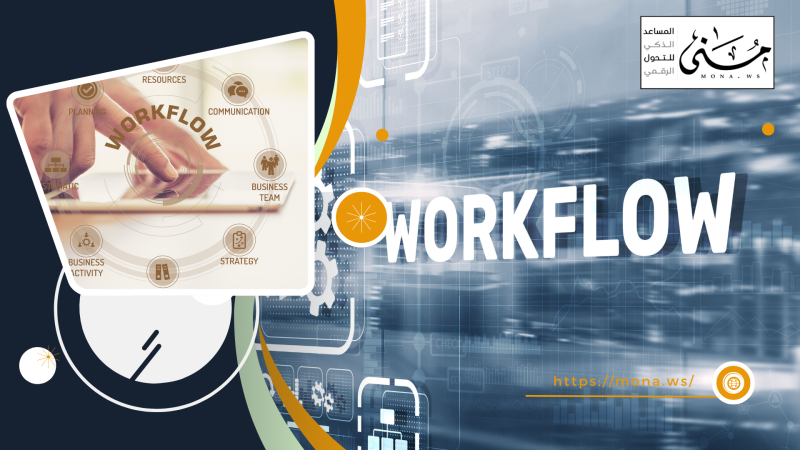
- Workflow ManagementWorkflow at a level that ensures speed and accuracy.
The system enables organizations to move from cumbersome paper-based management to flexible electronic management, which helps reduce the time taken to complete tasks and provides a better experience for employees.
The integration of artificial intelligence within DocSuiteHR makes it possible to analyze large amounts of data in just seconds, helping management to make faster and more accurate strategic decisions. Here, the impact of the three-part technology on the human resources sector is directly evident: speed, accuracy, security, and overall improvement in workflow.
The future of 3D technology and its expected impact on organizations over the next five years
Global forecasts indicate that the percentage of organizations relying on technological models like this will exceed 80% by 2030, especially with most companies moving to digital work environments.
Market reports also indicate that the use of artificial intelligence within organizations will increase by 120% over the next five years, while the reliance on paper procedures will decrease by more than 90%. The reason for this is that this technology has become capable of achieving levels of efficiency that were previously difficult to reach without unified digital systems.
The future also points to a growing need for organizations to adopt AI-based and predictive analytics solutions, as well as an increasing reliance on secure, web-based platforms like DocSuite.HR, which embodies an integrated model for smart digital transformation.
As the volume and diversity of data expand, it will be impossible to handle it without automation and artificial intelligence, and cyberattacks will continue to increase, making cybersecurity an essential part of any modern system.
In short: Those who do not switch to 3D technology now will find themselves out of the competition in a short period of time. The shift is no longer an option but a necessity to maintain business sustainability, raise efficiency, and achieve high corporate performance.
3D technology is not just a passing trend, but a cornerstone of true digital transformation for organizations, thanks to innovative systems like DocSuite.HR, this model has become easy and flexible to implement within any organization without complexity or high cost.
The shift to triple-play technology is a strategic step that ensures the organization speed, accuracy, security, and long-term sustainability. It is the technology that redefines the future of management and gives organizations a competitive advantage that is difficult to ignore.

Comments
Add New Comment